
A loose screw beneath an All-on-4 dental bridge can cause clicking, movement, or discomfort while eating. Although the problem may feel alarming, it doesn’t automatically mean the implants have failed. The right repair depends on which connection has loosened and what caused it. Recognizing early changes can help protect the bridge from further mechanical damage and complications.
When a Fixed Bridge Starts Feeling Unsteady
Your All-on-4 bridge has felt comfortable for months, perhaps even years. Then, during an ordinary meal, you notice a faint click. The replacement teeth seem to shift slightly when you bite, although nothing appears broken.
A small screw hidden beneath the bridge could be responsible. These connections help secure the replacement teeth to the implants anchored in your jawbone.
The encouraging part is that movement in the bridge doesn’t necessarily mean the implants themselves are loose. Finding out which component has changed is the first step toward choosing an appropriate repair.
The Hidden Connections Supporting Your Replacement Teeth
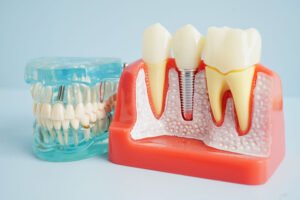
All on 4 dental implants support a full arch of replacement teeth using four implants anchored in the jawbone. A custom bridge connects to these implants through components called abutments, which are held in place by small screws.
Each screw is tightened to create tension, known as preload, that keeps the connected parts secure. If this tension decreases, the bridge or its supporting components may begin shifting during chewing.
Natural teeth have ligaments that help cushion biting pressure, but implants connect directly to the jawbone. As a result, the bridge and its connections must handle chewing forces without that natural cushioning.
Why Do These Screws Sometimes Work Loose?
Even a carefully fitted restoration experiences considerable pressure during everyday use. Several factors can gradually affect the stability of its mechanical connections.
- Your Bite Places Uneven Pressure on the Bridge
Imagine a chair that rocks because one leg doesn’t rest evenly on the floor. A dental bridge can experience a similar imbalance when certain teeth make contact before others.
Repeated pressure on one part of the restoration may increase stress around its connections. The dentist may need to examine how the upper and lower teeth meet to identify the problem.
- Nighttime Grinding Adds Unnoticed Force
Teeth grinding, also called bruxism, isn’t limited to natural teeth. People with implant-supported bridges may continue clenching or grinding during sleep.
These forces can stress screws, abutments, and the bridge framework. A protective night guard may be recommended when a dentist identifies grinding-related risks.
- The Bridge or Connecting Parts No Longer Fit Properly
A well-made implant bridge should sit evenly against its supporting components.
Wear, component damage, or an imperfect fit can disturb the connection. A replacement screw alone may not solve the problem if the surrounding parts are responsible.
The Early Signs You Might Notice
Loose implant screws don’t always produce dramatic symptoms. Sometimes, the first clue is an unfamiliar sensation during a routine activity.
Pay attention to changes such as:
- A clicking sound: A faint noise appears when your teeth meet.
- Slight movement: The bridge feels less secure while chewing.
- An unfamiliar bite: Certain teeth seem to touch sooner than before.
- Localized tenderness: Pressure causes discomfort near part of the restoration.
- A visible change: A small space develops between the bridge and nearby tissue.
None of these signs confirms screw loosening on its own. A fractured prosthetic component, uneven bite, or another dental problem can create similar symptoms.
The location and pattern of movement help the dentist narrow down the possibilities.
What Should You Do Before Seeing Your Dentist?
A loose-feeling bridge needs careful handling until your dentist can examine it. Avoid repeatedly testing its movement with your tongue or fingers, as this may strain the connections. Choose softer foods and chew on the unaffected side to reduce pressure.
Never attempt to tighten the screw yourself or use household glue, which can damage dental components. Contact your dentist promptly and explain what you’ve noticed. Increasing pain, swelling, or signs of infection require urgent dental attention.
How a Dentist Finds the Loose Connection
The examination begins by identifying exactly what moves.
A dentist may gently assess the bridge, inspect its contact with the supporting components, and check surrounding gum tissue. The way your teeth meet can also reveal pressure concentrated in one area.
Dental X-rays may help evaluate component seating and the bone around the implants. However, some mechanical problems require direct examination because an X-ray cannot reveal everything.
The dentist then determines if the movement comes from the bridge, an abutment, or an implant fixture.
An implant that moves within the jawbone requires a different clinical assessment from a loose prosthetic screw. Treating the correct component helps avoid unnecessary work on healthy parts.
Can the Existing Screw Be Tightened?
A loose screw can sometimes be tightened or replaced without changing the entire bridge. Many screw-retained restorations have small access openings hidden beneath filling material, allowing the dentist to reach the connection.
After inspecting the components, the dentist determines if the screw can be reused or needs replacement. The correct screw is tightened according to the manufacturer’s instructions, and the bridge’s fit is checked before sealing the opening.
A broken screw may require specialized tools, especially if a fragment remains inside the implant connection. The American College of Prosthodontists recommends investigating repeated loosening rather than simply tightening the screw each time.
When a Simple Repair Isn’t Enough
Some bridges develop recurring mechanical trouble because another part of the restoration needs attention.
A poorly seated framework may create stress each time the person chews. Damaged abutments, worn connection surfaces, or an unfavorable bite can also interfere with stability.
The dentist may recommend repairing or replacing an affected prosthetic component after evaluating the extent of the problem.
Changing the number of implants isn’t a routine fix for a loose screw. Implant quantity is usually determined much earlier, using information about jaw anatomy, available bone, and the planned restoration.
Our related article, How Dentists Decide the Number of Implants in All-on-X Cases, explains the considerations involved in choosing full-arch support.
Do Six Implants Prevent This Problem?
Patients sometimes assume a bridge supported by more implants must be protected against screw loosening.
All on 6 dental implants use six fixtures rather than four, which changes the supporting arrangement. However, both systems rely on accurately fitted connections and careful bite management.
The additional fixtures don’t make a restoration immune to mechanical wear.
A bridge supported by four appropriately positioned implants may function well for years, while a six-implant restoration can still develop a loose screw.
Comparing the two systems based only on screw-related concerns overlooks the broader clinical factors involved in treatment planning.
Keeping the Bridge Healthy After a Repair
Regular dental checkups help monitor the repaired bridge and catch new concerns early. The dentist examines its stability, surrounding gum tissue, and supporting bone to make sure everything remains in good condition.
Daily cleaning is equally important because plaque can collect beneath the bridge and irritate nearby gums. Floss threaders, interdental brushes, or water irrigators may help clean hard-to-reach areas, depending on the restoration’s design.
The American College of Prosthodontists advises against routinely removing a stable full-arch bridge without a clinical reason. Removal may be appropriate if mechanical problems develop or professional cleaning cannot be completed adequately.
Questions That Come Up After a Loose Implant Screw
Q1. Can a loose screw fall out of an All-on-4 bridge?
A1. A screw may disengage if it becomes severely loosened, depending on the connection design. A bridge that feels unstable should be examined before further damage occurs.
Q2. Does implant screw loosening always hurt?
A2. No. A mechanical connection can become loose without producing noticeable pain. Some patients first recognize the problem through movement or noise.
Q3. Can I brush my teeth if the bridge feels loose?
A3. Gentle brushing is generally appropriate. Avoid pushing against the unstable restoration, and ask your dentist if specific cleaning adjustments are necessary.
Q4. How long does repairing a loose implant screw take?
A4. Repair time depends on the connection’s condition and accessibility. A simple replacement may be relatively quick, while fractured parts can require more involved care.
Q5. Will the dentist need to remove my entire bridge?
A5. Not necessarily. Some connections can be reached through an access opening. More extensive inspection may require removing the prosthesis.
Q6. Can a loose screw damage another implant?
A6. Movement within a connected bridge can alter the forces carried by other components. Continued stress may increase the risk of additional mechanical problems.
Q7. Can screws loosen in temporary All-on-4 teeth?
A7. Yes. Temporary restorations also depend on secure connections. Patients should follow their dentist’s chewing instructions while the implants are healing.
The Part You Never See Still Matters
Greenwood Dental Partners helps patients understand concerns involving their All-on-4 restorations, including the small connections that keep the bridge secure. Changes in how the restoration feels may point to an issue with a specific component rather than the entire bridge.
Patients throughout Burlington can have these concerns evaluated before assuming extensive repairs are necessary. Identifying the source of the problem helps determine which part of the restoration needs attention.