
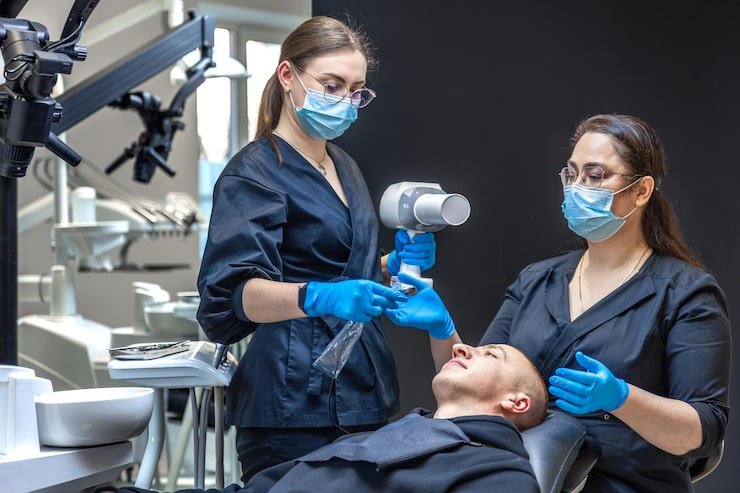
All-on-X dental implants can replace a full arch of missing or failing teeth, but tooth loss alone does not determine candidacy. Bone volume, gum health, general health, bite, oral hygiene, and personal treatment goals all shape the plan. An evaluation can show what remains worth preserving and which type of full-arch restoration may fit the patient’s needs.
What Makes Someone a Candidate for All-on-X Treatment?
Losing most or all teeth can make chewing uncomfortable and affect everyday eating. Loose dentures may add another challenge, while damaged teeth can make normal meals frustrating.
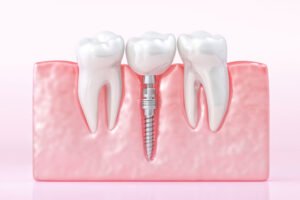
Full-arch implant treatment offers an alternative by supporting a fixed restoration with several dental implants. All-on-X describes a full-arch restoration supported by a selected number of implants.
The implant count is not chosen simply by preference. Bone anatomy, implant position, prosthetic needs, and the condition of the mouth all influence the final design.
Some Natural Teeth May Still Be Worth Saving
Having several damaged or missing teeth does not automatically mean every remaining tooth needs removal.
The dental team can assess decay, fractures, gum disease, infection, mobility, previous dental work, and the long-term outlook of each tooth. A tooth with a reasonable outlook should not be removed simply to make room for an implant plan.
The goal is to assess the entire arch and preserve useful natural teeth whenever they can be maintained predictably.
Bone Health Can Change the Treatment Plan
Dental implants need suitable bone support. Significant bone loss may affect implant placement and can change the treatment approach.
Dental imaging can provide information about available bone, nearby anatomical structures, remaining roots, areas of bone loss, and the space available for the final restoration.
Some patients may need additional treatment before implant placement. Others may have enough usable bone to move ahead without extensive preparation. The anatomy of the mouth guides the plan.
Healthy Gums Matter Too
Gum health is another important part of implant planning. Active periodontal disease can damage the tissues supporting natural teeth and create problems around future implants.
A gum assessment can identify existing concerns before implant treatment begins. Healthy supporting tissue also matters after treatment because implants need ongoing care.
Implant planning involves more than checking bone levels. The surrounding gums need attention as well.
General Health Can Affect Healing
Implant treatment involves surgery and a healing period, so general health belongs in the discussion.
Diabetes does not automatically rule out implant treatment. Poorly controlled diabetes, however, can make healing less predictable and increase the risk of complications.
The clinical team may review:
- Health conditions affecting healing
- Current medications and previous medical treatment
- A history of delayed healing or surgical complications
- Other health factors relevant to surgery and recovery
A health review gives the team a clearer picture before treatment begins.
Smoking Is Another Factor to Discuss
Smoking can affect healing and implant outcomes. A patient’s smoking history should be part of the treatment assessment rather than treated as a minor detail.
The issue is not simply a yes-or-no decision. The clinical team can consider the overall risk profile and discuss steps aimed at supporting healing and long-term maintenance.
Can You Keep a Full-Arch Restoration Clean?
A fixed restoration still needs daily care. Plaque and food debris can collect around prosthetic teeth and implant components, so routine cleaning remains important.
Patients need a practical way to clean the specific restoration at home. Professional maintenance also remains part of long-term care.
Implants may replace missing teeth, but they do not remove the need for good oral hygiene.
Your Bite Also Matters
A full-arch restoration needs to work comfortably as well as look natural.
The clinician may assess how the upper and lower arches meet, where chewing forces are concentrated, and how much room exists for the prosthetic teeth. Bruxism, a strong bite, or unusual loading patterns may influence the design.
Two people with similar tooth loss can still receive different implant plans because their mouths may have very different functional needs.
Four Implants or Six?
Patients often compare All-on-4 and All-on-6 as though the implant count alone determines the right choice.
A 2026 systematic review and meta-analysis covering 55 studies compared the two approaches in people with no remaining natural teeth. The review found broadly similar outcomes across implant survival, marginal bone loss, and complications, while also noting substantial variation among the studies.
Implant number is only one part of the discussion. Bone anatomy, implant position, prosthetic design, and functional needs also shape the final plan.
Your Treatment Goals Belong in the Conversation
Clinical findings are only part of candidacy. Patients may have different priorities around fixed teeth, chewing, appearance, speech, maintenance, treatment time, and cost.
Someone who has struggled with unstable dentures may place greater value on stability. Another patient may care more about replacing failing teeth while keeping daily maintenance manageable.
These preferences can influence the final restoration. The treatment plan should reflect both clinical findings and personal goals.
Before-and-After Photos Cannot Show Candidacy
Patients researching all-on-6 dental implants often look at before-and-after images to see possible results. Photos can show the finished appearance, but they reveal very little about the clinical work behind it.
The patient in a photo may have had different bone levels, gum health, tooth loss, bite, or treatment needs.
An examination and appropriate imaging provide information a photograph cannot.
Cost Depends on the Treatment Plan
Price naturally becomes part of the conversation with full-arch treatment. People often search how much do all-on-4 dental implants cost, yet the answer can vary because treatment plans may include different materials, restorations, imaging, extractions, and follow-up care.
A lower quote may cover a different scope of treatment from a higher one. Patients comparing costs should look at the services and stages included rather than comparing the headline price alone.
A local evaluation should begin with the patient’s clinical needs, followed by a clear explanation of the proposed restoration and related care.
A Few Common Questions About Candidacy
Q1. What are All-on-X dental implants?
A1. All-on-X describes a full-arch restoration supported by a selected number of dental implants. The number can vary based on the patient’s anatomy and prosthetic plan.
Q2. Do all teeth need to be missing before All-on-X treatment?
A2. No. Some patients have a mix of missing, severely damaged, or failing teeth. The dental team first determines which teeth can be retained predictably.
Q3. Does bone loss prevent All-on-X treatment?
A3. Not always. Bone loss can affect implant placement and may lead to additional treatment. Imaging helps assess the available bone and guide the approach.
Q4. Is gum disease a problem with dental implants?
A4. Active periodontal disease should be addressed before implant treatment. Healthy supporting tissues and ongoing maintenance remain important after placement.
Q5. Can someone with diabetes receive full-arch implants?
A5. Many people with properly controlled diabetes can receive dental implants. Poorly controlled diabetes can make healing and implant outcomes less predictable.
Q6. Are All-on-6 implants automatically better than All-on-4?
A6. Implant number alone does not determine the right treatment. A 2026 systematic review found broadly similar clinical outcomes between All-on-4 and All-on-6, while individual anatomy and prosthetic requirements still matter.
Q7. Can smokers receive dental implants?
A7. Smoking can affect implant treatment and healing, so smoking history should be included in the clinical assessment.
Q8. Do All-on-X restorations require special cleaning?
A8. Full-arch restorations need daily cleaning and professional maintenance. The exact routine depends on the restoration design and the patient’s oral condition.
Your Mouth Should Guide the Plan
A full-arch implant result may look simple in a photo, yet candidacy depends on details hidden from view. Bone levels, gum health, remaining teeth, bite, general health, and personal goals all shape the treatment approach.
Patients in Burlington can discuss these factors with Greenwood Dental Partners and get a clearer understanding of the available options. The right starting point is a careful look at the mouth, followed by a treatment plan built around the patient’s actual needs.