
A root canal can raise concerns because of conflicting health claims online. Current evidence does not show that properly performed root canal treatment causes systemic diseases. The focus should stay on the condition of the tooth, the purpose of treatment, and the risks of leaving an infection untreated.
Where the Root Canal Health Controversy Came From
Much of the debate around root canals comes from an old idea called the focal infection theory. More than a century ago, some researchers believed bacteria from diseased teeth could travel through the body and trigger illness in other organs.
Dental science has changed considerably since then. Research now offers a clearer understanding of oral bacteria, infection, tissue healing, imaging, and endodontic care. The old theory is no longer accepted as a scientific basis for linking root canals with systemic disease.
Many online claims still draw from early theories without placing them in the context of modern dental treatment.
What Current Evidence Says
The American Association of Endodontists’ updated 2026 safety material reports no valid scientific evidence linking properly performed endodontic treatment with systemic disease.
Research into oral health and general health continues, including studies examining inflammation and metabolic markers after treatment. These findings may add to scientific understanding, but they do not establish root canal treatment as a cause or cure for systemic conditions.
The evidence should be read in context. Human studies, animal research, laboratory findings, and personal experiences do not carry the same weight, and an association does not automatically establish cause and effect.
Myth: Root Canals Cause Cancer
Cancer is one of the most common claims associated with root canals online. The idea comes largely from older theories about dental infection rather than modern clinical evidence.
Bacteria may be present inside an infected tooth and surrounding tissues. Their presence does not explain what happens after a root canal or establish a connection with cancer.
The treatment itself focuses on removing diseased pulp, cleaning the canal system, and sealing the space inside the tooth.
What a Root Canal Actually Treats
Every tooth contains soft tissue called dental pulp. Nerves, blood vessels, and connective tissue make up this inner portion. Deep decay, cracks, trauma, or repeated dental work can damage it.
Severe inflammation or infection may cause more than sensitivity. Infection can reach the tissues around the root, and an abscess may develop when the problem continues.
A root canal treats the inside of the affected tooth. The diseased pulp is removed, the canals are cleaned and shaped, the space is filled and sealed, and the tooth is restored so it can keep functioning.
The tooth itself remains in place. This is one of the main differences between root canal treatment and extraction.
The Bigger Risk May Be an Untreated Infection
Fear about root canals can sometimes distract from the original dental problem.
An untreated infection can become more serious. It may cause increasing pain, swelling, an abscess, damage around the tooth, or spread into nearby tissues. Mayo Clinic advises treatment because dental infections can lead to complications.
Facial or gum swelling, fever, drainage, and worsening tooth pain deserve attention.
Pain can also decrease while an underlying problem remains. Feeling better does not always mean the infection has gone away.
Myth: Removing the Tooth Is Always Safer
Extraction removes the affected tooth, but it is not automatically the healthier option in every case.
A restorable tooth may be treated and retained through root canal therapy. Extraction can become necessary when the tooth cannot be restored or has a poor long-term outlook.
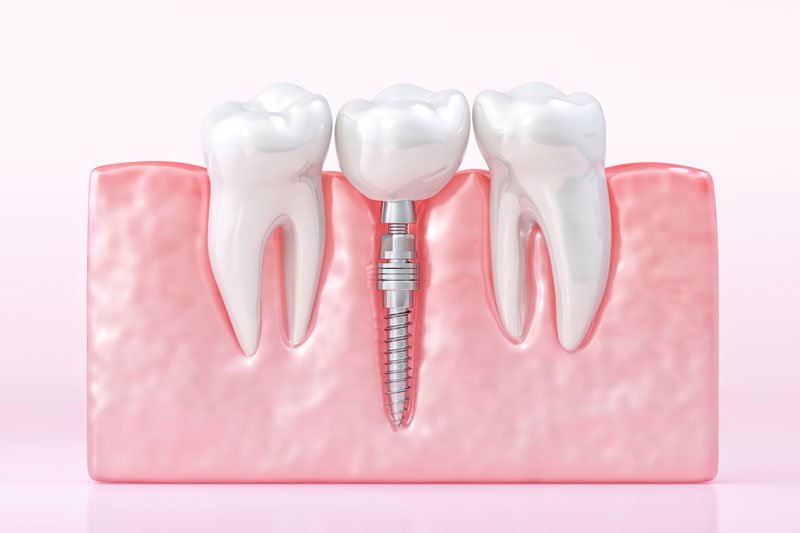
Keeping a natural tooth also avoids an immediate gap. Replacing an extracted tooth may involve an implant, bridge, or another restoration.
The condition of the tooth should guide the decision rather than a broad claim about one treatment being safer.
Myth: A Root-Treated Tooth Becomes Toxic
Another common claim says removing the pulp turns the tooth into a source of toxins.
A treated tooth has no living pulp inside it. The canals are cleaned and sealed, allowing the tooth to remain in place and support normal chewing.
Problems can still develop after treatment. A missed canal, new decay, leakage around a restoration, unusual anatomy, a crack, or persistent infection can affect a treated tooth later.
Those situations call for another dental evaluation rather than assumptions about toxicity.
What Research Is Still Exploring
Researchers continue to study connections between dental infection, inflammation, and general health.
The AAE’s 2026 update discusses a two-year longitudinal study examining inflammatory and metabolic markers after successful root canal treatment. The findings contribute to ongoing research, but broader health claims require more evidence.
NIDCR has also reported animal research involving HDL, often called good cholesterol, as a possible approach to reducing inflammation and bone loss after root canal treatment. Since the work involved animals, it is not an established treatment for people.
For patients, these developments are useful context rather than a reason to draw conclusions beyond the research.
What Can Cause Problems After Treatment?
A treated tooth can sometimes remain painful or develop another infection. Post-treatment symptoms can have several dental causes.
Common reasons include:
- A missed canal or complex root anatomy
- New decay or leakage around a restoration
- A crack or fracture
- Persistent infection
A tooth still causing discomfort deserves another examination. The source may be inside the tooth, in nearby tissues, or related to the restoration.
How to Evaluate Root Canal Claims Online
Online health claims can become confusing when scientific terms are paired with conclusions unsupported by the research.
Start with the source and the type of evidence behind the claim. A human clinical study provides different information from an animal experiment, laboratory finding, or personal story. The age of the research also matters.
A personal experience can describe a real event, but one person’s story cannot establish cause and effect across a large population.
The same caution applies to dramatic statements on social media. A confident claim still needs solid evidence behind it.
The Important Question Is What Is Happening to the Tooth
A root canal treats a damaged or infected tooth while preserving it when enough healthy structure remains.
Patients in Burlington who have been told they may need treatment can start with the condition of the tooth. Ask about the pulp, the extent of infection or damage, available treatment choices, and the possible outcome of delaying care.
A clear discussion of the dental problem can be more useful than relying on alarming posts or isolated claims online.
FAQ: Root Canal Safety
Q1. Do root canals cause systemic disease?
A1. Current evidence does not show properly performed root canal treatment causes systemic diseases. The AAE’s updated 2026 material continues to report no valid scientific evidence linking endodontically treated teeth with systemic disease.
Q2. Can a root canal cause cancer?
A2. No credible scientific evidence has established a connection between root canal treatment and cancer. The claim is largely linked to outdated theories about dental infection.
Q3. Is extraction healthier than root canal treatment?
A3. Not in every case. A restorable tooth may be treated and preserved. Extraction may be needed when the tooth cannot be restored or has a poor long-term outlook.
Q4. Can an infection return after a root canal?
A4. Yes. New decay, missed anatomy, leakage, cracks, or persistent infection can affect a treated tooth later. An examination can help identify the cause.
Q5. Does a root canal damage the immune system?
A5. There is no established evidence showing that properly performed root canal treatment damages the immune system. Research into oral infection and systemic inflammation continues.
Q6. Can root canal treatment improve overall health?
A6. Treating a dental infection addresses the infected tooth and may affect inflammatory or metabolic markers. Current research does not support claims that root canal treatment prevents or treats systemic diseases.
A Better Way to Think About Root Canal Treatment
The decision to treat an infected or damaged tooth should begin with the tooth itself.
Greenwood Dental Partners helps patients understand the condition of their tooth and discuss root canal in clear terms.
Start by looking at the source of the problem, the condition of the pulp, the amount of healthy tooth structure left, and the available treatment options. Good dental decisions become easier when the focus stays on the actual condition of the tooth rather than alarming claims online.