

Gum disease may have taken several teeth, but does that mean dental implants are too risky? Not necessarily. Full-arch restoration can be an option when natural teeth cannot be saved. The important decisions involve more than implant numbers or a new smile. Discover how dentists evaluate remaining teeth, bone support, bridge design, and future care before recommending treatment for patients.
A New Smile Begins With Understanding Your Gum Health
Perhaps you spent years being careful about what you ate. Apples needed slicing, crunchy foods became difficult, and smiling for photographs didn’t feel quite the same. Gum disease had slowly changed things you once did without thinking.
Now you’re considering replacing those missing teeth. The idea sounds promising, until you remember what happened to the originals.
Here’s what many patients don’t realize: dental implants don’t rely on natural tooth roots, but they still need healthy bone and surrounding gums. A history of periodontitis raises certain risks without automatically ruling out treatment.
The more useful question isn’t whether you’ve had gum disease. It’s what condition your mouth is in today.
Before Choosing New Teeth, Find Out Which Old Ones Deserve to Stay
Loose teeth don’t always need to be removed. Even with some bone loss, periodontal treatments like deep cleaning and inflammation control may help preserve teeth that still have adequate support.
Dentists assess each tooth’s stability, chewing ability, and long-term outlook before recommending extraction. The European Federation of Periodontology supports preserving natural teeth whenever they have a reasonable chance of lasting.
This makes an implant consultation about more than replacing missing teeth. It’s also an opportunity to identify which natural teeth are worth keeping.
A Full Arch Doesn’t Always Mean a Full Mouth
Dental terminology can make treatment sound more complicated than it needs to be.
A full arch refers to all the teeth in either the upper or lower jaw. When both arches need replacement, patients may explore complete mouth dental implants, which involve restoring teeth across the entire mouth.
The difference affects everything from surgical planning to cost.
Someone with a healthy lower jaw and severely damaged upper teeth may need treatment only for the upper arch. Another person might have widespread tooth loss that requires a different approach.
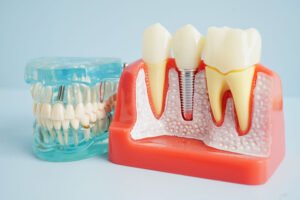
Full arch implants generally support a connected bridge rather than placing a separate implant beneath every missing tooth. Depending on anatomy and the chosen design, several implants share the work of supporting the replacement teeth.
Knowing exactly which teeth need attention helps prevent unnecessary assumptions about the size of your treatment.
The Bone Scan May Reveal Options You Didn’t Expect
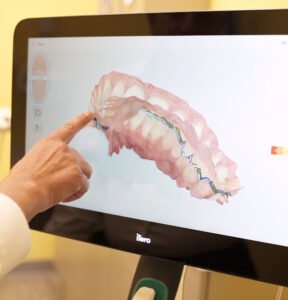
Gum disease can cause uneven jawbone loss, leaving some areas strong enough to support implants while others become too thin or shallow. A cone-beam CT (CBCT) scan gives dentists a detailed 3D view of the jaw, helping them assess bone availability and locate nearby nerves and sinus cavities.
Depending on the findings, implants may be placed in areas with better bone support, or bone grafting might be recommended to strengthen specific sites. Although a CBCT scan cannot guarantee implant eligibility, it helps dentists plan safer placement and choose an approach suited to your jaw structure.
The Replacement Teeth Need Somewhere to Meet Your Gums
Advanced gum disease can leave behind significant bone loss and receded gums, creating gaps where natural teeth once sat. A full-arch bridge must be carefully designed to fit these altered areas while maintaining a natural appearance.
Some restorations include gum-colored material to replace missing tissue visually. The bridge’s shape also affects speech, lip support, and how comfortably patients can clean beneath their replacement teeth.
Before treatment, ask your dentist how the bridge will rest against your gums and whether its underside will be easy to maintain. A well-designed restoration should balance appearance, daily comfort, and practical cleaning needs.
Same-Day Teeth Don’t Mean Same-Day Recovery
Some patients can receive a temporary fixed bridge on the day their dental implants are placed. However, getting replacement teeth immediately doesn’t mean treatment is complete.
Full-arch implant treatment often involves several stages:
- Temporary teeth: A fixed bridge may be placed soon after surgery for suitable patients.
- Implant healing: The implants gradually bond with the jawbone through a process called osseointegration.
- Recovery adjustments: Softer foods and changes to the temporary bridge may be recommended during healing.
- Permanent restoration: Once healing is sufficient, the final bridge is designed to support your bite, appearance, and chewing needs.
Understanding these stages helps patients prepare for recovery and avoid unrealistic expectations about treatment timelines.
The Most Overlooked Design Question: Can You Clean Underneath?
An implant-supported dental bridge should be easy to maintain, not just look natural. Hard-to-reach spaces underneath can trap plaque and increase the risk of gum inflammation, especially in patients with a history of periodontal disease.
Your dental team can recommend cleaning tools based on the restoration’s design, including:
- Implant-specific floss or threaders to clean beneath replacement teeth.
- Interdental brushes to reach spaces around implants.
- A water flosser for additional cleaning when recommended.
- A soft toothbrush to clean exposed surfaces and gums.
Choosing a restoration with accessible cleaning spaces makes daily maintenance easier and supports long-term implant health.
Your Gum Disease History Still Matters Years Later
Dental implants cannot develop cavities, but the surrounding gums and bone remain vulnerable to inflammation. Peri-implant mucositis can cause redness and bleeding, while peri-implantitis may lead to progressive bone loss that threatens implant stability.
Previous periodontitis increases the likelihood of these complications. The European Federation of Periodontology emphasizes ongoing monitoring, particularly for patients who have experienced advanced gum disease.
Professional maintenance visits go beyond routine cleaning. Your dental team can assess tissue health, check the implant-supported bridge, and spot early warning signs before they become harder to manage.
Three Details Worth Reading Before Accepting a Treatment Plan
A complete treatment estimate should explain what you’re receiving, not merely provide one impressive final number.
When comparing full mouth dental implants, pay attention to these details:
- The type of final bridge: Ask about the restoration material, whether it is fixed or removable, and the possibility of future repairs.
- What’s included in the quoted price: Clarify whether extractions, imaging, temporary teeth, grafting, and the final restoration are covered.
- Who handles future adjustments: Understand which provider will evaluate mechanical problems, discomfort, or changes in the bite.
These questions are especially relevant when treatment involves multiple appointments or clinicians. A lower estimate may reflect a different treatment plan rather than the same procedure at a better price.
The Details Patients May Miss When Considering Full-Arch Implants
Q1. Can implant surgery be performed if I still have periodontal pockets around other teeth?
A1. Active periodontal disease around teeth being retained generally needs to be stabilized before implant placement. Your dentist will assess inflammation, pocket depth, and the response to previous treatment.
Q2. Will I need to go without teeth while my implants heal?
A2. Not necessarily. Some patients receive a temporary fixed bridge, while others use a removable temporary restoration. The choice depends on surgical conditions and implant stability.
Q3. Can someone who wore dentures for many years switch to full-arch implants?
A3. Yes, some long-term denture wearers qualify. However, bone changes may affect implant placement, and additional procedures or alternative treatment designs may be necessary.
Q4. Could my new teeth change the way I speak?
A4. Temporary speech changes are possible, particularly when a new bridge alters tongue space or tooth positions. Adjustments and practice may help, although persistent problems deserve professional evaluation.
Q5. What happens if I accidentally damage the full-arch bridge?
A5. A dentist will examine the damaged component and determine whether repair or replacement is appropriate. The underlying implants may remain stable even when part of the prosthesis needs attention.
Q6. Does diabetes automatically disqualify someone from implant treatment?
A6. No. Many people with well-controlled diabetes can be considered. Poor blood sugar control may interfere with healing and increase complications, so medical coordination is important.
Q7. Can a full-arch bridge make food taste different?
A7. Implants don’t directly change taste receptors. However, a new restoration may temporarily change how food feels in your mouth, especially during the adjustment period.
Q8. Is it possible to replace a full-arch bridge without replacing the implants?
A8. Sometimes. If the implants remain healthy and compatible with a new restoration, the bridge may be replaceable without additional implant surgery. A clinical examination is needed to confirm this option.
Bring Your Dental History Into the Conversation at Greenwood Dental Partners
A successful restoration starts with understanding the person receiving it. Previous gum problems, difficult dental experiences, and concerns about everyday comfort can all shape the treatment discussion.
Greenwood Dental Partners considers these details when helping patients explore dental implants and other restorative solutions. Reviewing dental history alongside current findings allows for a more informed conversation about possible treatment approaches.
If you’re weighing your options in Burlington, MA, begin with questions that matter to you, from chewing comfortably to caring for your teeth in the years ahead.