
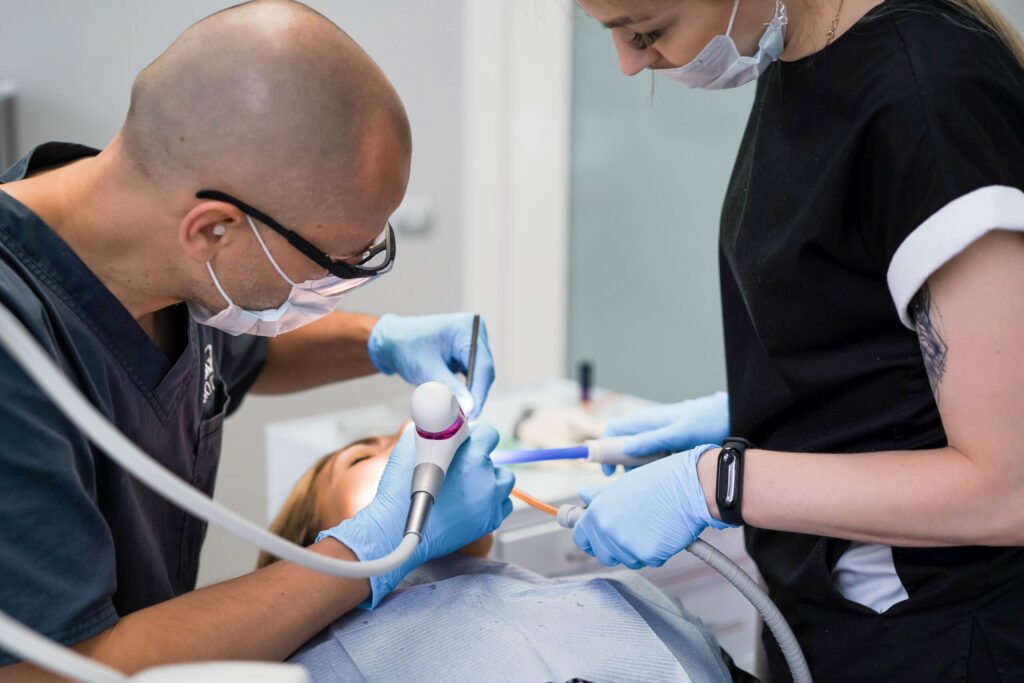
Not every smile needs extra bone before an implant, but some do, and knowing the difference can save you time, money, and a lot of guesswork. This post breaks down exactly when bone grafting matters for dental implants in Burlington and when it doesn’t.
Bone Grafting Isn’t Always Part of the Plan
Your jawbone shrinks the moment a tooth goes missing, and that single fact decides whether your implant journey needs one extra step or not. Most people never think about their jawbone until a dentist mentions it during a consultation.
It sounds scary at first, almost like bad news wrapped in dental jargon. But bone grafting isn’t some rare emergency procedure reserved for extreme cases. It’s a normal, well-understood part of getting dental implants in Burlington, MA, and for many patients, it’s not even needed at all.
What Bone Grafting Actually Does
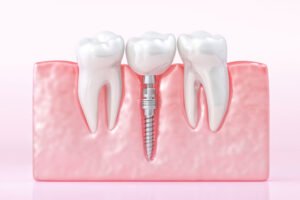
Think of your jawbone like the foundation of a house. If the foundation is thin, cracked, or uneven, you can’t just drop a heavy structure on top and expect it to hold. Dental implants work the same way. They need a certain amount of solid, healthy bone to fuse with properly.
A graft simply adds material to that foundation, so the implant post has something strong to grip. This isn’t guesswork on the dentist’s side either. Modern imaging shows the exact bone height and width, so any dentist in Burlington, MA can quickly determine whether extra support is required.
The Real Reasons Bone Loss Happens
Bone loss doesn’t happen overnight, and it rarely happens for just one reason. Understanding the causes helps explain why some patients need grafting and others walk straight into implant placement.
- Missing teeth left untreated for months or years, since the bone that once supported a tooth root starts resorbing once there’s nothing to stimulate it
- Gum disease that has quietly eaten away at the bone structure without obvious pain
- Trauma or injury to the jaw, even from years earlier
- Long-term denture use, which presses on the gums but doesn’t stimulate bone the way a natural tooth root does
Each of these situations creates a slightly different pattern of bone loss, and that pattern is exactly what a dentist studies before recommending a graft.
Signs You Might Actually Need One
Not everyone getting dental implants needs a bone graft, but certain conditions make it more likely. The only way to know for sure is through a clinical examination and imaging, yet a few common situations often indicate that your jaw may need additional support before an implant can be placed.
- A tooth has been missing for more than a year, allowing the jawbone to shrink over time.
- You have a history of advanced gum disease, which may have reduced bone around the missing tooth.
- A dental X-ray or CBCT scan shows insufficient bone width or height for stable implant placement.
- The jaw ridge feels or appears thin or sunken where the tooth was lost.
- You experienced bone loss after a tooth extraction or due to previous dental trauma.
These signs don’t mean dental implants are out of reach. They simply help your dentist decide if building up the jawbone first will provide a stronger, longer-lasting foundation for the implant.
When You Can Likely Skip It
Not everyone needs a graft, and honestly, plenty of patients skip it entirely. If a tooth was extracted recently and the socket still holds most of its natural bone, implant placement can often happen right away or shortly after healing. Patients with strong oral hygiene habits and no history of gum disease usually keep denser bone for longer.
Younger patients, or anyone who lost a tooth from a clean break rather than decay, often have enough bone volume too. A short scan settles this question fast, so nobody has to sit around wondering.
Types of Grafting Materials Used Today
Dentistry has come a long way from the basic grafting methods used decades ago. Today’s materials are chosen based on how much bone is missing and where.
- Autografts, which use bone taken from another part of your own body, usually the jaw or chin area
- Allografts, sourced from processed human donor bone, screened thoroughly for safety
- Xenografts, made from treated animal bone, often bovine, that acts as a scaffold for new bone growth
- Synthetic grafts, built from biocompatible materials that encourage your body’s own bone cells to rebuild naturally
Each type has its own healing timeline, and a good dentist matches the material to your specific bone condition rather than using a one size fits all approach.
How Long Healing Actually Takes
Healing time genuinely depends on how much bone needed rebuilding and which graft type was used. Minor grafts might only need three to four months before an implant can be placed safely.
Larger grafts, especially ones rebuilding significant height or width, can take six months or slightly longer. During this window, the graft material slowly integrates with your existing bone, creating that stable base implants rely on. Patience here actually pays off, because rushing this stage increases the risk of implant failure later.
Is the Procedure Painful
This question comes up constantly, and the honest answer is that most patients describe it as far less uncomfortable as expected. Local anesthesia numbs the area completely during the procedure itself.
Afterward, mild soreness and slight swelling are common for a few days, similar to recovering from a tooth extraction. Over-the-counter pain relief usually handles it fine, and most people return to normal routines within 48 hours.
Why Skipping a Needed Graft Is Risky
Some patients try to avoid grafting altogether, hoping the implant will just work anyway. This almost always backfires. Placing an implant into bone that’s too thin or too soft increases failure rates dramatically. The implant might feel loose within months, or it may never properly fuse at all.
Beyond that, an implant sitting on insufficient bone can shift position slightly over time, affecting the bite and even nearby teeth. Getting the bone right the first time avoids a much costlier redo later.
What a Proper Consultation Looks Like
A thorough evaluation always starts with imaging, usually a 3D scan that maps bone height, width, and density in the exact spot where the implant will go. From there, the dentist reviews your medical history, checks for gum disease, and asks how long the tooth has been missing.
Looking at the complete picture helps determine if a bone graft is necessary or if the implant can be placed right away. If you’re considering dental implants in Burlington, MA, this type of detailed assessment should be part of your treatment planning.
Frequently Asked Questions About Bone Grafting and Implants
Q1. How do I know if I personally need a bone graft?
A1. Only a scan and clinical exam can confirm this. Bone density varies too much from person to person to guess without imaging.
Q2. Does bone grafting delay getting my implant?
A2. Yes, typically by three to six months, since the graft needs time to fuse with existing bone before it can support an implant.
Q3. Is bone grafting a separate surgery from the implant?
A3. Usually yes, though minor grafts can sometimes be done during the same visit as implant placement, depending on the case.
Q4. Can I use my own bone instead of donor material?
A4. Absolutely, autografts using your own bone are a common option and often heal very predictably.
Q5. Will insurance help cover the cost?
A5. Coverage varies by plan and provider, so checking directly with your insurance company beforehand is the safest route.
Q6. What happens if I never get the needed graft?
A6. The implant may fail, loosen, or shift over time because it lacks a stable, sufficient bone base to anchor into.
Q7. Does age affect whether grafting is needed?
A7. Older patients tend to have more natural bone loss, though overall oral health matters more than age alone.
Q8. How soon after tooth extraction should I plan for an implant?
A8. Sooner is generally better, since bone loss begins almost immediately after a tooth is removed, reducing the need for grafting later.
A Personalized Evaluation Makes All the Difference
Bone grafting isn’t a hurdle; it’s simply one more tool that makes sure your implant lasts for decades rather than months. Every mouth is different, and the only real way to know your situation is through a proper scan and honest conversation with someone who does this daily.
Greenwood Dental Partners, as a reputed dentist in Burlington, MA, walks patients through every scan, every option, and every cost detail before anything is decided.
So instead of worrying over what your jaw might need, book a consultation and get a clear, honest answer, straight from the people who’ll actually be doing the work.