

The tooth is out, but the space it leaves is not ready for every kind of repair. After an extraction, the jawbone changes, infection may need attention, and soft tissue begins rebuilding. A dentist may recommend a planned interval before implant surgery, not simply to let time pass, but to create a safer, more workable foundation for your replacement tooth.
Your Tooth Is Out. So Why Isn’t the Implant Going In?
You expected to leave the extraction appointment with a date for your replacement tooth. Instead, your dentist says the implant should wait, even though the troublesome tooth is gone.
Two extraction sites can look nearly identical from above while offering very different support underneath. When planning dental implants, dentists examine the condition of the jawbone, surrounding tissue, and available space to determine when treatment can proceed.
A Healed-Looking Gum Can Hide an Unfinished Socket
The moment a tooth is removed, its socket begins changing. A blood clot forms, gums grow across the opening, and new bone gradually develops in the space left by the roots. These events do not finish together.
Smooth, pink gums can look reassuring, but they cannot reveal the condition of the socket walls. Bone beneath the surface may still be remodeling, or the ridge may lack the width needed to support an implant.
Think of the first few weeks as a period of rebuilding rather than a return to the original jaw structure. The body works to repair the extraction site, but it also reshapes the surrounding bone.
Surprisingly, complete healing is not always the goal before implant placement. The jaw naturally loses some width after extraction. An earlier procedure may suit one patient, while additional healing makes better sense for another.
An Infection Can Leave Damage After the Tooth Is Gone
Removing an infected tooth eliminates the source of trouble, but the surrounding tissue may still need attention. An abscess can damage bone near the root tip or leave inflammation inside the socket, even after the discomfort disappears.
The extent of damage influences the next step. One patient may have enough healthy bone for immediate implant placement, while another may need additional healing or a bone graft. Dental imaging helps identify these differences and guide treatment decisions.
A previous infection does not automatically mean implant surgery must be delayed. If the socket can be thoroughly cleaned and sufficient stable bone remains, immediate placement may still be possible. Otherwise, waiting allows the dentist to address problems that could affect the implant’s stability.
An Implant Needs Support in the Right Place, Not Just Any Place
A tooth root and an implant rarely have identical shapes. The empty socket may be wider than the implant or angled differently from where the future crown should emerge.
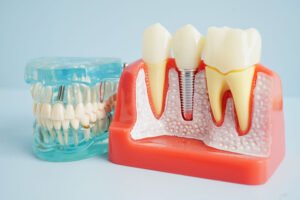
The implant needs primary stability, meaning a firm grip in bone from the moment it is placed. Over time, the implant bonds with the jaw through osseointegration. This biological connection is essential for long-term support.
Consider a molar with several roots. Extraction may leave an uneven space with delicate walls between the old root sockets. Immediate treatment is possible in some cases, but another patient may need additional healing or bone support before placement.
The future crown also influences the surgical decision. Its position must allow comfortable chewing, proper contact with neighboring teeth, and reasonable access for cleaning.
Placing an implant simply where the old root once sat could create difficulties if the angle does not suit the replacement tooth. Careful positioning matters more than filling the opening quickly.
Front Teeth Introduce a Different Kind of Pressure
Back teeth carry much of the chewing load. Front teeth must also look natural when you speak or smile, particularly where the gums frame the visible crown.
The outer bone plate around a front tooth is often thin. An extraction, fracture, or infection can leave it compromised, increasing the possibility of gum recession or an uneven contour.
Even a small change in the gumline can become noticeable when the neighboring teeth remain unchanged. Implant placement therefore involves decisions about tissue support, crown position, and the final appearance.
Early placement after soft tissue healing may give the dentist a better opportunity to manage the gum contours or rebuild missing tissue. The appropriate schedule depends on the condition of the site rather than its visibility alone.
A Bone Graft Changes What Happens Between Appointments
Sometimes the extraction site needs preparation rather than additional time alone. Socket preservation involves placing graft material in the empty socket to help limit the loss of ridge dimensions.
Graft material does not instantly become strong jawbone. It provides a framework while the body repairs and remodels the area, a process that may take several months.
A larger defect may require a separate bone-building procedure. Upper back teeth introduce another challenge because the sinus sits close to their roots. Patients with limited bone height may need sinus augmentation before or alongside implant placement.
The important question is what the waiting period is expected to accomplish. Healing may improve some conditions, while others require additional treatment.
Your Medical History Can Change the Pace
An extraction socket does not heal independently from the rest of your body. Medical conditions, medications, and daily habits can influence recovery and the planning of implant surgery.
Several factors deserve attention:
- Blood sugar control: Poorly controlled diabetes may slow tissue repair and increase the risk of complications.
- Smoking and nicotine: Tobacco exposure can interfere with healing and affect implant outcomes.
- Gum disease: Persistent periodontal inflammation should be addressed as part of treatment planning.
- Certain medications: Some drugs affecting bone metabolism or immune function may require additional precautions.
None of these factors automatically rules out implant treatment. They make an individual assessment more important.
When visiting a dental office in Nashua, bring an updated medication list and mention any recent health changes. Even information that seems unrelated to your missing tooth may influence the surgical plan. Never stop prescribed medicine without guidance from the clinician managing it.
How Long Is the Wait Supposed to Be?
Implant placement does not follow a universal calendar. The International Team for Implantology describes several recognized timing approaches:
- Immediate placement: The implant is inserted on the day of extraction when the site meets the necessary conditions.
- Early placement: Surgery may occur around 4 to 8 weeks after extraction when soft tissue has healed, or approximately 12 to 16 weeks when partial bone healing is needed.
- Late placement: Implant insertion takes place after more complete bone healing, generally beyond six months.
These periods describe clinical approaches rather than fixed appointment dates.
A patient who needs a substantial bone graft may follow a different schedule from someone whose socket walls remain intact. Your dentist should explain which stage of healing matters in your situation and when the site will be reassessed.
What Should the Next Examination Actually Tell You?
A follow-up visit should reveal more than a new surgery date. Your dentist checks whether the extraction site has enough bone for an implant or needs additional preparation. Dental X-rays and, when necessary, 3D imaging help identify concerns that could affect placement.
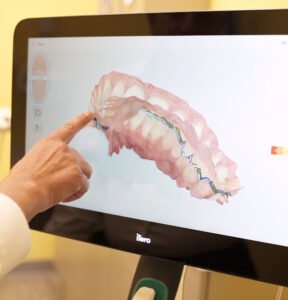
The future crown also influences the implant’s angle and position. Digital planning helps dentists prepare for surgery, while a custom guide may improve placement accuracy. Learn more about understanding surgical guides in implant dentistry.
Finding the best dentist involves more than comparing reviews. Choose someone who explains your bone condition, treatment options, and recommended timeline so you understand what comes next.
Questions That Come Up After the Extraction Chair
Q1. Does being told to wait mean the extraction went badly?
A1. No. The healing interval may have been planned before the extraction. Ask whether the recommendation comes from the tooth’s original condition or something identified during removal.
Q2. Can I have a temporary tooth while waiting?
A2. Often, yes. A removable replacement or clear retainer may help with appearance and speech, provided it does not place unwanted pressure on the healing site.
Q3. When can I return to strenuous exercise after extraction?
A3. Follow your dentist’s recovery instructions. Heavy exertion too soon may increase bleeding or swelling, particularly after a difficult extraction or bone graft.
Q4. Do stitches coming out mean the bone is ready?
A4. No. Stitches primarily support soft tissue healing. The underlying bone develops on a different timetable.
Q5. Is a white coating over the socket normal?
A5. It can be part of the healing process. Increasing pain, fever, spreading swelling, or drainage should prompt dental evaluation.
Q6. Could another dentist recommend an immediate implant instead?
A6. Yes. Clinicians may recommend different approaches depending on their assessment of the site. Compare their explanations of the bone findings, treatment risks, and available options rather than speed alone.
Q7. Will the final crown be attached as soon as the implant goes in?
A7. Not necessarily. Many implants require a separate healing period before the permanent crown is attached and placed under normal chewing forces.
What Happens to the Extraction Site While You Wait?
The space left by an extracted tooth doesn’t remain unchanged. Bone and gum tissue gradually reshape as healing progresses, which can influence implant placement and the support available for a replacement tooth.
Greenwood Dental Partners helps patients in Nashua and nearby New Hampshire communities understand these changes through clinical evaluation. The condition of the extraction site, rather than the calendar alone, helps guide treatment timing.
Waiting isn’t always a setback. In some cases, allowing inflammation to settle and tissues to heal creates better conditions for implant placement.