

Your dental implant crown suddenly feels loose, but the movement doesn’t automatically mean implant failure. A tiny screw, weakened cement, or damaged connector could be responsible. Sometimes, changes in the surrounding bone or gums point toward a more serious concern. Discover what causes this unexpected movement, which symptoms deserve attention, and how dentists determine the right repair approach.
When Your Replacement Tooth Suddenly Doesn’t Feel Right
You’re halfway through dinner when something unusual catches your attention. Your implant crown shifts slightly as you chew. A second bite confirms the strange sensation, and your thoughts immediately jump toward another surgery.
Here’s the reassuring part: a loose dental implant crown doesn’t always mean the implant itself is failing. The problem may involve a small mechanical connection above the jawbone. However, identifying the actual source matters because different complications require different treatments.
A Loose Crown and a Failing Implant Aren’t the Same Problem
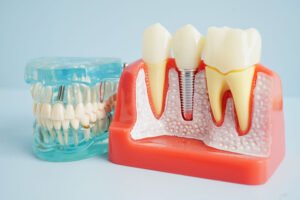
Your implant-supported tooth isn’t one solid piece. It’s a carefully assembled restoration with three components: the implant fixture, an abutment, and a crown.
The fixture sits within your jawbone, acting as an artificial tooth root. Above it, the abutment connects the fixture with the visible crown, which handles everyday biting and chewing.
A loose connection between these parts can make the restoration feel unstable even when the fixture remains firmly anchored.
Dentists call this prosthetic mobility. Actual implant mobility involves movement of the fixture within the bone and may signal a much more serious problem.
What’s Making Your Implant Crown Move?
Several mechanical issues can disturb an otherwise comfortable restoration. Three deserve particular attention.
1. The Abutment Screw Has Loosened
Some implant systems rely on tiny screws tightened with precisely measured force. Heavy chewing pressure, repeated loading, or an unfavorable bite can gradually affect their stability.
You might notice a faint clicking sensation or slight rotation when eating. If the screw and surrounding components remain undamaged, professional retightening may solve the problem.
2. The Dental Cement Has Lost Its Hold
Cement-retained crowns use dental cement to attach the restoration to its supporting abutment.
A weakened cement bond may allow the crown to lift or shift. Sometimes, the entire crown separates from the abutment while the underlying implant remains secure.
3. A Connecting Component Has Fractured
Implant restorations withstand considerable pressure, but their components aren’t indestructible.
A cracked abutment, damaged screw, or fractured crown structure may affect the fit. Extensive damage can require a replacement part instead of a simple adjustment.
According to research published through the Academy of General Dentistry, screw loosening is a recognized complication of implant-supported crowns.
Could Gum Problems Be Behind the Movement?
Mechanical trouble isn’t the only possibility. Sometimes, the supporting tissues around an implant develop inflammation that threatens its long-term stability.
Two conditions deserve distinction.
Peri-implant mucositis affects the gum tissue surrounding an implant without progressive bone loss. Early treatment and improved plaque control can often reverse the inflammation.
Peri-implantitis involves inflammation accompanied by progressive destruction of supporting bone. Advanced cases may eventually compromise the implant’s anchorage.
Keep an eye out for these changes:
- Bleeding while cleaning around the implant
- Swollen, unusually red, or tender gums
- Pus near the implant site
- A persistent unpleasant taste
- Changes in gum position around the restoration
These symptoms warrant professional evaluation, even without noticeable implant movement.
The American Academy of Periodontology explains the distinction between these conditions and emphasizes regular implant monitoring.
The First 24 Hours: Protect Your Implant From Extra Strain
Discovering movement can tempt you to keep checking the crown with your tongue. Resist the urge. Additional pressure may worsen an already weakened connection.
Until a dentist examines the restoration, take these precautions:
- Give the affected side a break. Choose soft foods and avoid biting directly on the loose crown.
- Skip homemade fixes. Superglue, household adhesives, and improvised tools can damage dental components.
- Keep cleaning gentle. Brush carefully without tugging against the unstable restoration.
- Arrange an appointment promptly. Describe the movement and mention any discomfort or gum changes.
If the crown comes off completely, store it in a clean container and bring it to your appointment.
Severe facial swelling, fever accompanied by worsening dental symptoms, or difficulty swallowing calls for urgent medical assessment.
What Happens During a Dental Implant Examination in Hudson, NH?
Identifying the source of movement is essential because a loose crown, damaged connector, and unstable implant require different treatments. A careful examination helps determine which component needs attention.
A dentist typically checks the crown’s fit, surrounding gum tissue, bite alignment, and stability of the connecting parts. Dental X-rays may reveal changes in supporting bone, while previous treatment records can help identify compatible implant components.
The best dentist carefully evaluates the problem and clearly explains the findings. This helps you make informed decisions about repairing your existing restoration.
Can the Dentist Save Your Existing Implant?
A healthy implant can often stay in place even when its crown needs repair. Depending on the damage, your dentist may tighten or replace a screw, reattach the crown, or create a new restoration. The right solution depends on which component has been affected.
Problems involving the jawbone require a different approach. Osseointegration, the bond between the implant and surrounding bone, provides essential stability. If this connection fails, more extensive treatment, including possible implant removal, may be necessary.
Your Bite Might Be Putting Extra Pressure on the Crown
Natural teeth have ligaments that cushion chewing pressure, while dental implants lack this flexibility. An uneven bite can place excessive force on an implant crown, gradually stressing its connecting parts.
Nighttime grinding may add pressure without you noticing. Your dentist can check for uneven bite contacts and recommend adjustments or a protective nightguard when appropriate.
Repeated problems across several implant-supported teeth may indicate broader concerns. Patients with extensive tooth loss or failing restorations can explore the signs you may need a complete mouth dental implant restoration, although one loose crown rarely calls for such extensive treatment.
A Front Implant Crown Needs More Than a Secure Fit
Front teeth play a major role in your smile’s appearance. An experienced cosmetic dentist considers crown shape, color, and ceramic translucency to create a natural match with neighboring teeth.
The crown’s contour near the gumline also matters. Poorly shaped edges can trap food and make cleaning difficult. A carefully designed restoration should offer a natural appearance, comfortable bite, and easy maintenance.
Beyond the Crown: 8 Questions Patients Often Ask
Q1. Can an implant crown become loose after ten years?
A1. Yes. Years of use can affect mechanical connections. The age of the restoration alone doesn’t determine which component requires attention.
Q2. Does a loose implant crown always cause pain?
A2. No. Mechanical complications may develop without discomfort. A painless crown can still have a damaged or weakened connection.
Q3. Is sleeping with a loose implant crown dangerous?
A3. A severely unstable crown may detach unexpectedly, creating a swallowing or choking risk. Promptly contact your dentist for specific guidance.
Q4. Does dental insurance cover implant crown repairs?
A4. Coverage varies according to the policy, procedure, and restoration history. Request a written estimate and insurance benefit review before treatment.
Q5. Are screw-retained crowns easier to repair?
A5. They often allow access through a small opening, making removal more straightforward. Cement-retained restorations may require different retrieval techniques.
Q6. Can diabetes affect dental implant health?
A6. Poorly controlled diabetes is associated with increased peri-implant complications. Effective blood sugar management and appropriate dental maintenance help reduce risks.
Q7. How often should implant-supported teeth receive professional maintenance?
A7. The ideal schedule depends on gum health, plaque control, and individual risk factors. Your dental team can establish a suitable recall interval.
Q8. Can an old implant crown be replaced with zirconia?
A8. Sometimes. Zirconia may be suitable depending on the implant system, available space, bite forces, and aesthetic requirements. Compatibility must be checked before fabrication.
Greenwood Dental Partners: Get Your Smile Back on Solid Ground
A loose implant crown can leave you second-guessing every bite. Finding the source of the movement is what matters most, especially when a simple repair might be all you need.
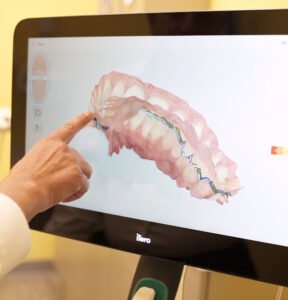
Residents of Hudson, NH, can approach Greenwood Dental Partners for personalized implant and restorative dental care. With advanced 3D imaging ,long experience in cosmetic dentistry and full-mouth reconstruction, the practice focuses on finding solutions suited to each patient’s needs.
Schedule a consultation and find out what it will take to make your next bite feel secure again.